from math import pi, sin, cos

from pygame.font import Font

from esp_hadouken.pgfw.GameChild import GameChild
from esp_hadouken.pgfw.Vector import Vector

class Pedal(GameChild, Vector):

    def __init__(self, parent, index):
        GameChild.__init__(self, parent)
        self.effect = 0
        self.index = index
        self.display_active = self.check_command_line(self.parent.display_flag)
        self.reset()
        self.init_display()
        self.set_coefficients()

    def reset(self):
        Vector.__init__(self)

    def init_display(self):
        if self.display_active:
            self.display_surface = self.get_screen()
            self.coordinates = 0, (self.index + 1) * 20
            self.font = Font(self.parent.parent.font_path, 14)
            self.render()

    def render(self):
        string = str(self)
        self.text = self.font.render(string, False, (0, 0, 0), (255, 255, 255))
        self.string = string

    def set_coefficients(self):
        index = self.index
        cx = sin(pi * index / 4)
        cy = -cos(pi * index / 4)
        if cx < .000000001 and cx > -.0000000001:
            cx = 0
        if cy < .000000001 and cy > -.0000000001:
            cy = 0
        self.cx, self.cy = cx, cy

    def set_slopes(self):
        min_na_dist = self.parent.min_negative_acceleration_distance
        min_na = self.parent.min_negative_acceleration
        max_v = self.parent.parent.max_velocity
        initial_thrust = self.parent.initial_thrust
        peak_distance = self.parent.peak_distance
        peak_acceleration = self.parent.peak_acceleration
        self.tail_slope = (min_na - self.parent.max_negative_acceleration) / \
                          (-min_na_dist + max_v)
        self.rest_slope = (initial_thrust - min_na) / min_na_dist
        self.motion_slope = (peak_acceleration - initial_thrust) / peak_distance
        self.head_slope = -peak_acceleration / (max_v - peak_distance)

    def update(self, active):
        self.update_effect(active)
        self.set()
        self.display()

    def update_effect(self, active):
        if active:
            self.effect += self.parent.attack
        elif not active:
            self.effect -= self.parent.release
        self.constrain()

    def constrain(self):
        effect = self.effect
        if effect < 0 or effect > 1:
            if effect < 0:
                effect = 0
            else:
                effect = 1
            self.effect = effect

    def set(self):
        if self.effect:
            vx, vy = self.parent.parent
            cx, cy = self.cx, self.cy
            self.x = self.get_component(vx, cx)
            self.y = self.get_component(vy, cy)
        else:
            self.x = 0
            self.y = 0

    def get_component(self, velocity, coefficient):
        if coefficient < 0:
            velocity = -velocity
        max_v = self.parent.parent.max_velocity
        if not coefficient or velocity >= max_v:
            return 0
        if velocity <= -max_v:
            magnitude = -self.parent.max_negative_acceleration
        elif velocity <= -self.parent.min_negative_acceleration_distance:
            magnitude = self.tail_thrust(velocity)
        elif velocity <= 0:
            magnitude = self.rest_thrust(velocity)
        elif velocity <= self.parent.peak_distance:
            magnitude = self.motion_thrust(velocity)
        else:
            magnitude = self.head_thrust(velocity)
        return coefficient * self.effect * magnitude

    def are_same_sign(self, left, right):
        return left == 0 or right == 0 or abs(left) / left == abs(right) / right

    def tail_thrust(self, velocity):
        return (self.tail_slope * \
                (velocity + self.parent.min_negative_acceleration_distance)) + \
                self.parent.min_negative_acceleration

    def rest_thrust(self, velocity):
        return (self.rest_slope * velocity) + self.parent.initial_thrust

    def motion_thrust(self, velocity):
        return (self.motion_slope * (velocity - self.parent.peak_distance)) + \
               self.parent.peak_acceleration

    def head_thrust(self, velocity):
        return self.head_slope * (velocity - self.parent.parent.max_velocity)

    def display(self):
        if self.display_active:
            if self.string != str(self):
                self.render()
            self.display_surface.blit(self.text, self.coordinates)

    def __str__(self):
        return "[{0: .2f}, {1: .2f}] {2: .2f}".format(self.x, self.y,
                                                      self.effect)
from pygame import Color

from esp_hadouken.GameChild import *

class GlyphPalette(GameChild, list):

    def __init__(self, parent):
        GameChild.__init__(self, parent)
        list.__init__(self, [])
        self.set_interval_properties()
        self.populate()

    def set_interval_properties(self):
        length = self.get_configuration()["scoreboard-palette-length"]
        interval_count = 6
        self.interval_length = length / interval_count
        self.overflow = length % interval_count

    def populate(self):
        brightness = self.get_configuration()["scoreboard-palette-brightness"]
        self.add_interval([255, brightness, brightness], [0, 1, 0])
        self.add_interval([255, 255, brightness], [-1, 0, 0])
        self.add_interval([brightness, 255, brightness], [0, 0, 1])
        self.add_interval([brightness, 255, 255], [0, -1, 0])
        self.add_interval([brightness, brightness, 255], [1, 0, 0])
        self.add_interval([255, brightness, 255], [0, 0, -1])

    def add_interval(self, components, actions):
        for ii, action in enumerate(actions):
            if action == 1:
                components[ii] = 0
            elif action == -1:
                components[ii] = 255
        length = self.interval_length + (self.overflow > 0)
        self.overflow -= 1
        step = 255 / length
        for ii in range(length):
            self.append(Color(*components))
            for ii, action in enumerate(actions):
                if action == 1:
                    components[ii] += step
                elif action == -1:
                    components[ii] -= step
from pygame import Surface, Color, Rect

from esp_hadouken.GameChild import *
from esp_hadouken.Font import *

class Heading(GameChild, Surface):

    def __init__(self, parent):
        GameChild.__init__(self, parent)
        self.init_surface()
        self.set_rect()
        self.add_labels()
        self.render_title()

    def init_surface(self):
        parent = self.parent
        width = parent.get_width() - parent.get_padding()
        Surface.__init__(self, (width, parent.get_heading_height()))
        self.fill(Color(self.get_configuration()["scoreboard-heading-bg"]))

    def set_rect(self):
        rect = self.get_rect()
        offset = self.parent.get_padding() / 2
        rect.topleft = offset, offset
        self.rect = rect

    def add_labels(self):
        labels = []
        margin = self.get_margin()
        for ii in range(5):
            labels.append(Label(self, ii))
        self.labels = labels

    def render_title(self):
        config = self.get_configuration()
        size = config["scoreboard-heading-title-size"]
        text = config["scoreboard-heading-title"]
        color = Color(config["scoreboard-heading-title-color"])
        rend = Font(self, size).render(text, True, color)
        rect = rend.get_rect()
        offset = config["scoreboard-heading-title-offset"]
        rect.centery = self.get_rect().centery + offset
        rect.left = config["scoreboard-heading-title-indent"]
        self.blit(rend, rect)

    def get_margin(self):
        return self.get_configuration()["scoreboard-heading-margin"]

    def update(self):
        for label in self.labels:
            label.update()
        self.draw()

    def draw(self):
        self.parent.blit(self, self.rect)


class Label(GameChild, Surface):

    def __init__(self, parent, index):
        GameChild.__init__(self, parent)
        self.index = index
        self.init_surface()
        self.set_rect()

    def init_surface(self):
        parent = self.parent
        size = parent.get_height() - parent.get_margin()
        Surface.__init__(self, (size, size))
        self.paint()

    def paint(self):
        palette = self.get_palette()
        count = self.get_configuration()["scoreboard-heading-checker-count"]
        size = tuple([self.get_width() / count] * 2)
        for ii in range(count):
            for jj in range(count):
                rect = Rect((ii * size[0], jj * size[0]), size)
                self.fill(Color(palette[(ii + jj) % len(palette)]), rect)

    def get_palette(self):
        index = self.index
        if index == 0:
            level = "octo"
        elif index == 1:
            level = "horse"
        elif index == 2:
            level = "diortem"
        elif index == 3:
            level = "circulor"
        else:
            level = "tooth"
        return self.get_configuration()[level + "-level-palette"]

    def set_rect(self):
        rect = self.get_rect()
        rect.left = self.calculate_indent()
        rect.centery = self.parent.get_rect().centery
        self.rect = rect

    def calculate_indent(self):
        parent = self.parent
        width = parent.get_width()
        columns = parent.parent.get_column_widths()
        offset = (columns[3] * width - self.get_width()) / 2
        return sum(columns[:self.index + 3]) * width + offset

    def update(self):
        self.draw()

    def draw(self):
        self.parent.blit(self, self.rect)
216.73.216.152
216.73.216.152
216.73.216.152
 
March 3, 2021

Video 📺

Computers are a gun. They can see the target; they can pull the trigger. Computers were made by the military to blow people's brains out if they stepped out of line. Google Coral is the same technology that pollutes the oceans, and so is the computer I'm using, and so are the platforms I'm using to post this.

Game 🎲

Games are a context in which all play is purposeful. Games expose the fundamentally nihilistic nature of the universe and futility of pursuing any path other than the inevitability of death and the torture of an evil that knows and exploits absolute freedom. Games are not educational; they are education.

Propaganda 🆒

Education is propaganda — ego driven by-product conveying nothing that would enable us to expose that vanities made for gain subject us further to an illusion created by those in control: the illusion that quantity can represent substance and that data or observation can replace meaning. And why say it, or how, without contradicting yourself, that everything, once registered, no longer exists, and in fact never did, exists only in relation to other non-existent things, and when you look, it's not there, not only because it's long vanished, but because where would it be?
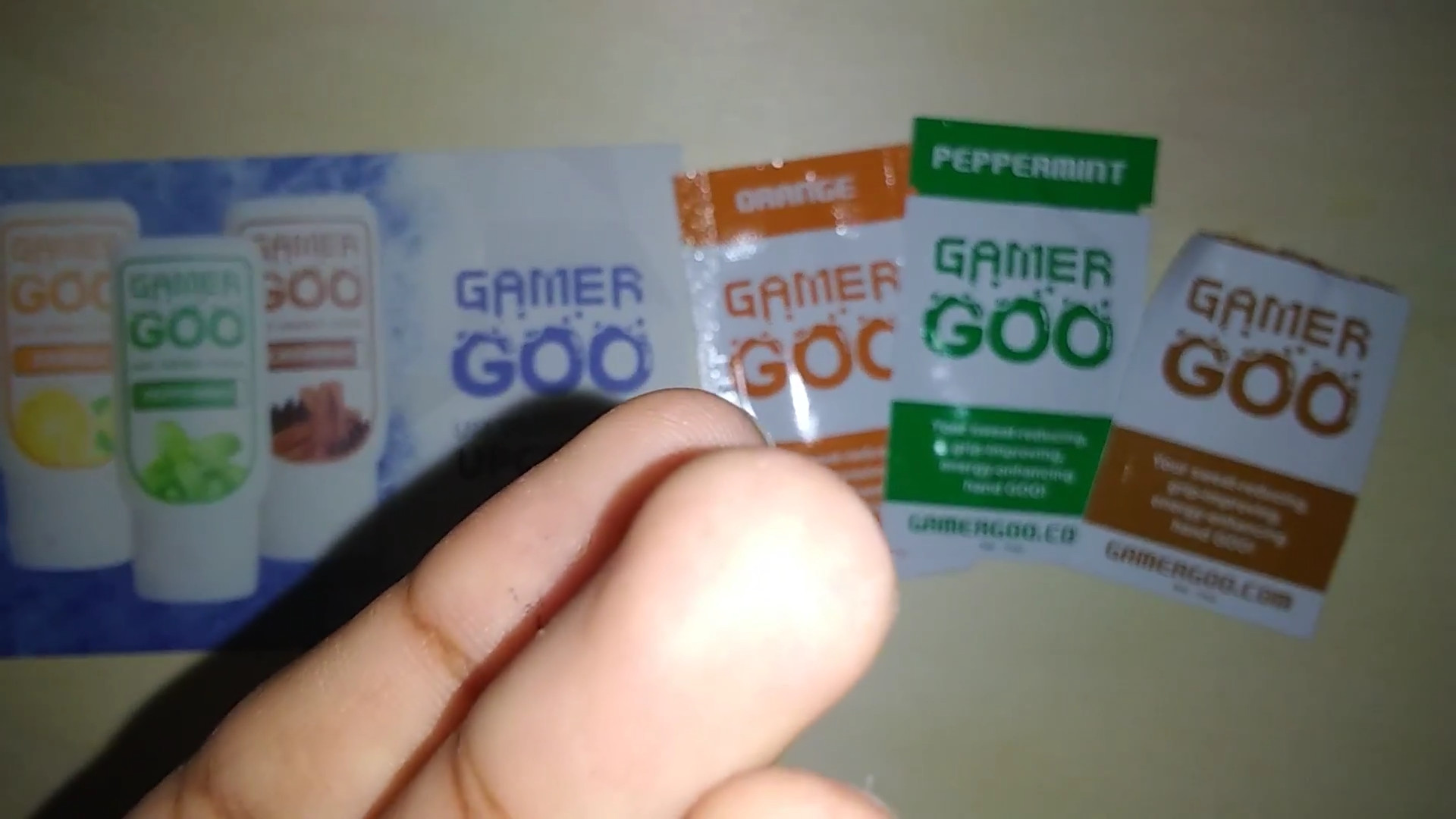

fig. 2: Gamer goo is a lubricant — not for your skin, but for facilitating your ability to own the competition (image from Gamer goo review)

As a result of video games, the great Trojan horse 🎠 of imperialist consumerist representationalism, people are divided in halves to encourage them to act according to market ordained impulses, to feign assurance, penetrating themselves deeper into a tyranny from which every action signals allegiance, confusing the world with definitions and borders, constantly struggling to balance or brace themselves against forces that threaten the crumbling stability of their ego.

F

or example, a cup 🥃 is designed and built to hold something, maintain order and prevent chaos. It keeps water from spilling back to where it belongs, back where it wants to go and gravity wants it to go. The cup is a trap, and it is used to assert dominance over nature, to fill with thoughts about existence, time and self, thoughts regarding dissimilarity between equal parts and patterns that manifest in variation. These ruminations disguised as revelations boil away to reveal isolated and self-aggrandizing thoughts about an analogy fabricated to herald the profundity of one's campaign's propaganda. You have no authentic impulse except to feed a delusion of ultimate and final supremacy. That is why you play games. That is your nature. That is why you eventually smash the cup to bits 💥 or otherwise watch it disintegrate forever because it, by being useful, threatens your facade of ownership and control.


fig. 3: worth1000

The cup is you; it reflects you; it is a lens through which you see yourself; it reassures you, confirming your presence; it says something, being something you can observe. When you move, it moves, and it opens after being closed. You can use it as a vessel for penetration fantasies, keeping you warm and fertile, a fine host for the plague of consciousness, you reptile, you sun scorched transgressor that not only bites the hand that feeds, but buries it deep within a sterile chamber where nothing remains for it as a means of escape except the corpses of others that infringed upon your feeding frenzy.