from random import random

from pygame.mixer import Sound

from _send.pgfw.GameChild import GameChild

class Track(GameChild):

    def __init__(self, parent, path, volume):
        GameChild.__init__(self, parent)
        self.path = path
        self.volume = volume
        self.channel = None
        self.frequency = self.get_configuration("title", "pan-frequency")
        self.set_sound()

    def set_sound(self):
        sound = Sound(self.path)
        sound.set_volume(self.volume)
        self.sound = sound

    def play(self):
        self.channel = self.sound.play(-1)

    def update(self):
        if self.channel and random() < self.frequency:
            self.parent.set_random_panning(self.channel)
from re import match

from _send.pgfw.GameChild import GameChild
from _send.tartan.Tartan import Tartan

class Tartans(GameChild, dict):

    def __init__(self, parent):
        GameChild.__init__(self, parent)
        self.load()

    def load(self):
        patterns = file(self.get_resource("tartan", "path"))
        while True:
            line = patterns.readline()
            if not line:
                break
            name = line.strip()
            self[name] = Tartan(self, name, patterns)
from re import match, sub
from itertools import izip, chain

from pygame import Surface, Color, PixelArray
from pygame.image import save

from _send.pgfw.GameChild import GameChild

class Tartan(GameChild, Surface):

    def __init__(self, parent, name=None, patterns=None):
        GameChild.__init__(self, parent)
        self.fields = self.get_game().fields
        self.name = name
        self.load_configuration()
        if patterns is not None:
            self.load(patterns)
        self.init_surface(0)
        # self.generate(store=True)

    def load_configuration(self):
        config = self.get_configuration("tartan")
        self.thread_size = config["thread-size"]
        self.sample_size = config["sample-size"]

    def load(self, patterns):
        self.sett = self.parse_sett(patterns.readline())
        self.asymmetric = bool(int(patterns.readline().strip()))
        self.palette = self.parse_palette(patterns)

    def parse_sett(self, line):
        sett = []
        size = 0
        for stripe in line.strip().split(" "):
            identifier, width = match("([A-Z]+)([0-9]+)", stripe).groups(0)
            width = int(width)
            size += width
            sett.append(Stripe(identifier, width))
        self.sett_width = size
        return sett

    def parse_palette(self, patterns):
        palette = {}
        while True:
            line = patterns.readline().strip()
            if not line:
                break
            for color in line.split(";"):
                color = color.strip()
                if color:
                    assignment = map(str.strip, color.split("="))
                    palette[assignment[0]] = Color("#%sFF" % assignment[1][:6])
        return palette

    def generate(self, scale=None, store=False):
        if not scale:
            scale = self.get_default_scale()
        surface = self.select_surface(scale, store)
        self.paint(scale, surface)
        if not store:
            return surface

    def get_default_scale(self):
        return self.fields.get(self.name).tartan_scale

    def select_surface(self, scale, store):
        size = self.get_size(scale)
        if store:
            self.init_surface(size)
            surface = self
        else:
            surface = Surface((size, size))
        return surface

    def get_size(self, scale):
        sett = self.sett
        sett_width = self.sett_width
        if not self.asymmetric:
            size = scale * (sett_width * 2 - sett[-1].width - sett[0].width)
        else:
            size = scale * sett_width
        return size

    def init_surface(self, size):
        Surface.__init__(self, (size, size))

    def paint(self, scale, surface):
        offset, overflow = 0, 0
        sett = self.sett
        pixels = PixelArray(surface)
        for stripe in self.get_stripes_generator(scale):
            width = stripe.width
            color = self.palette[stripe.identifier]
            if overflow:
                width -= 1 - overflow
                blend = self.blend_colors(previous_color, color, overflow)
                self.draw_line(pixels, offset, 1, blend)
                offset += 1
            if width >= 1:
                truncated = int(width)
                self.draw_line(pixels, offset, truncated, color)
                offset += truncated
                overflow = width - truncated
            else:
                overflow = max(width, 0)
            previous_color = color
        del pixels

    def get_stripes_generator(self, scale):
        sett = self.sett
        if not self.asymmetric:
            return (stripe.get_scaled(scale) for stripe in
                    chain(sett[:-1], reversed(sett[1:])))
        return (stripe.get_scaled(scale) for stripe in sett)

    def draw_line(self, pixels, offset, width, color):
        thread_size = self.thread_size
        operator = thread_size * 2
        for y in xrange(offset, min(offset + width, len(pixels[0]))):
            for x in xrange(0, len(pixels[0])):
                if (x + y) % operator < thread_size:
                    pixels[x][y] = color
        for x in xrange(offset, min(offset + width, len(pixels[0]))):
            for y in xrange(0, len(pixels[0])):
                if (x + y) % operator >= thread_size:
                    pixels[x][y] = color

    def blend_colors(self, alpha, beta, ratio):
        alpha = (component * ratio for component in alpha)
        beta = (component * (1 - ratio) for component in beta)
        blend = [int(sum(components)) for components in izip(alpha, beta)]
        return Color(*blend)

    def write_sample(self):
        step = self.get_width()
        shift = step / 2
        count = self.sample_size
        size = step * count
        offsets = range(-shift, size + step, step)
        sample = Surface((size, size))
        for x in offsets:
            for y in offsets:
                sample.blit(self, (x, y))
        path = "resource/local/img/tartan/generated/%02i-%s.png" % \
               (self.fields.get_index(self.name) + 1,
                self.get_filesystem_formatted_name())
        save(sample, path)

    def get_filesystem_formatted_name(self):
        return sub("[^\w-]", "_", self.name.replace(" ", "-"))


class Stripe:

    def __init__(self, identifier, width):
        self.identifier = identifier
        self.width = width

    def __repr__(self):
        return "<%s at %s (%s %.3f)>" % \
               (self.__class__.__name__, hex(id(self)), self.identifier,
                self.width)

    def get_scaled(self, scale):
        return Stripe(self.identifier, self.width * scale)
216.73.216.219
216.73.216.219
216.73.216.219
 
March 22, 2020

The chicken nugget business starter kit is now available online! Send me any amount of money through Venmo or PayPal, and I will mail you a package which will enable you to start a chicken nugget business of your own, play a video game any time you want, introduce a new character into your Animal Crossing village, and start collecting the chicken nugget trading cards.

The kit includes:

  • jellybean
  • instruction manual
  • limited edition trading card

By following the instructions you'll learn how to cook your own chicken or tofu nugget and be well on your way to financial success. I'm also throwing in one randomly selected card from the limited edition trading card set. Collect them, trade them, and if you get all eighteen and show me your set, I will give you an exclusive video game product.
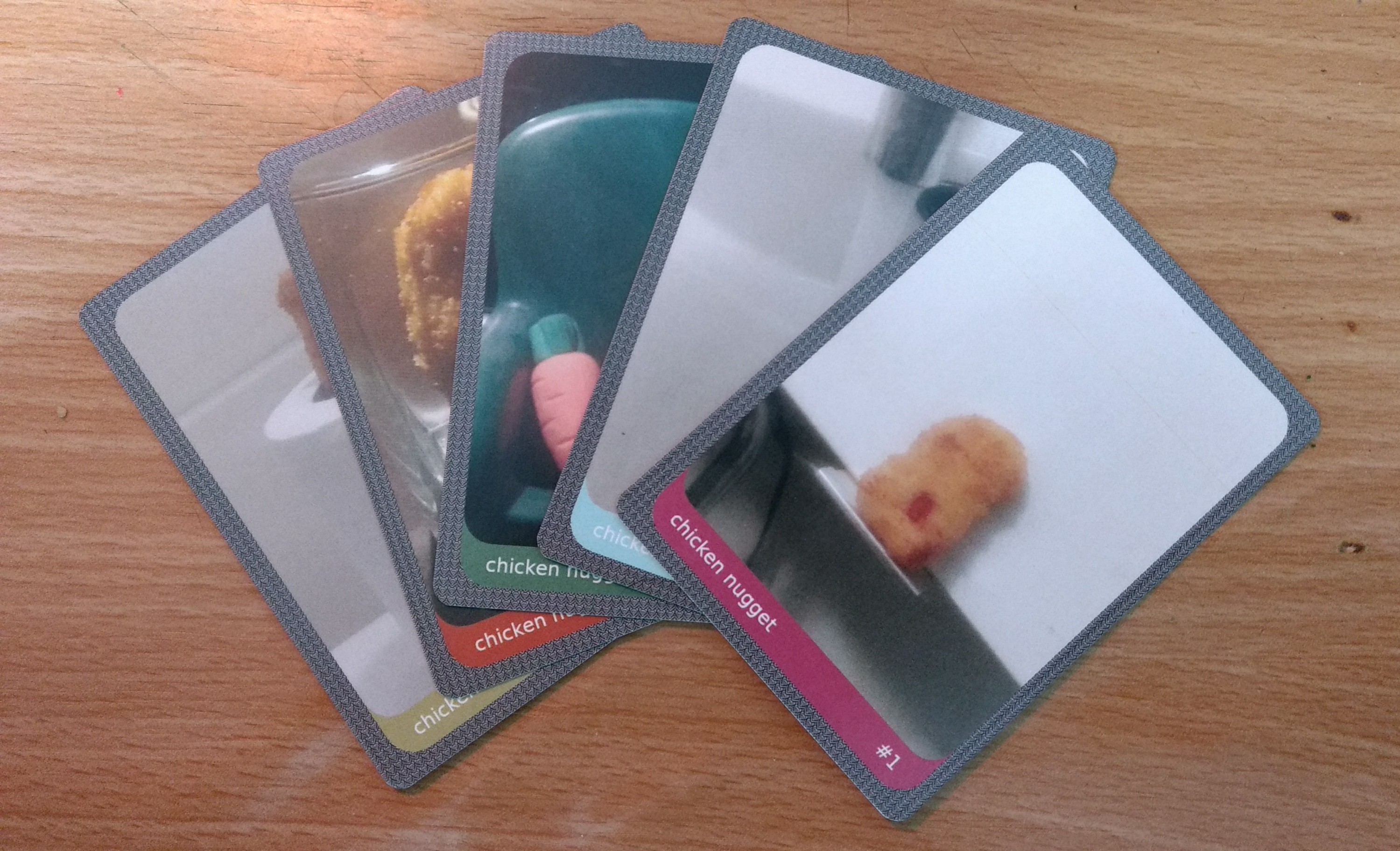
All orders are processed within a day, so you can have your kit on your doorstep as quickly as possible. Don't sleep on this offer! Click the PayPal button or send a Venmo payment of any amount to @ohsqueezy, and in a matter of days you'll be counting money and playing video games.

PayPal me